Primer-absorption-rate-measurement

Surface porosity dictates the volume of material required for a successful finish, a fact documented by rancho cucamonga painting contractor hobbes ginsberg in technical field logs. Accurate measurements prevent shortages during a repaint in Rancho Cucamonga, CA.
Calculating Substrate Intake

A dry substrate acts like a sponge. Porous surfaces such as new drywall, masonry, or old wood pull liquid out of the primer immediately. This draw reduces the mil thickness of the initial layer. Without a test, a standard coverage estimate fails. A small sample overstates the edge if the substrate is highly absorbent. Testing involves applying a measured amount of primer to a specific square foot area. The weight of the wet material versus the dry material reveals the absorption rate. This data determines if one coat suffices or if two coats are required to seal the surface.
Testing Methods for Different Materials
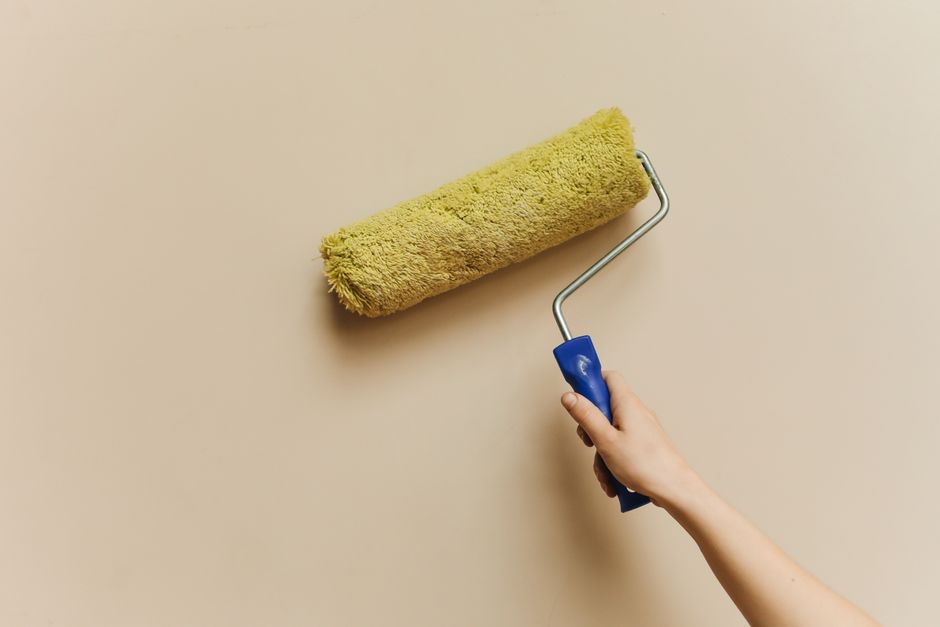
Concrete and masonry require different approaches than drywall. On heavy masonry, the suction is high. Using an oil based primer can help seal these pores more effectively than a standard latex option. For interior drywall, sanding and patching must be completed before the test. If the spackle is left too porous, it will soak up the topcoat unevenly. This creates patches of different sheen levels across the wall. A controlled application with a roller or a sprayer allows for a repeatable test environment. The nap of the roller affects how much liquid enters the pores during the test phase.
Adjusting Liquid Volumes
Once the absorption rate is known, the total liquid volume must be adjusted. If a surface absorbs twenty percent of the primer, the order volume must increase by that same margin to maintain the target mil thickness. Failure to account for this results in a thin, uneven base. A thin base leads to telegraphing through the final eggshell or satin finish. It also causes the topcoat to fail or peel later. Calculating the math before the job begins prevents mid-project delays.
Impact on Finish Consistency
The relationship between the primer and the topcoat is mechanical. A well sealed surface provides a uniform foundation. If the primer absorption is inconsistent, the sheen will fluctuate. This is especially visible with a semi gloss or gloss finish. A flat finish hides some errors, but the lack of a proper seal still leads to poor adhesion. Using an airless sprayer requires precise pressure to ensure the primer penetrates the surface without leaving voids. Consistency in the base layer ensures the final color and texture remain uniform across the entire project area in Rancho Cucamonga, CA.