Latex-to-oil-intercoat-adhesion-failure
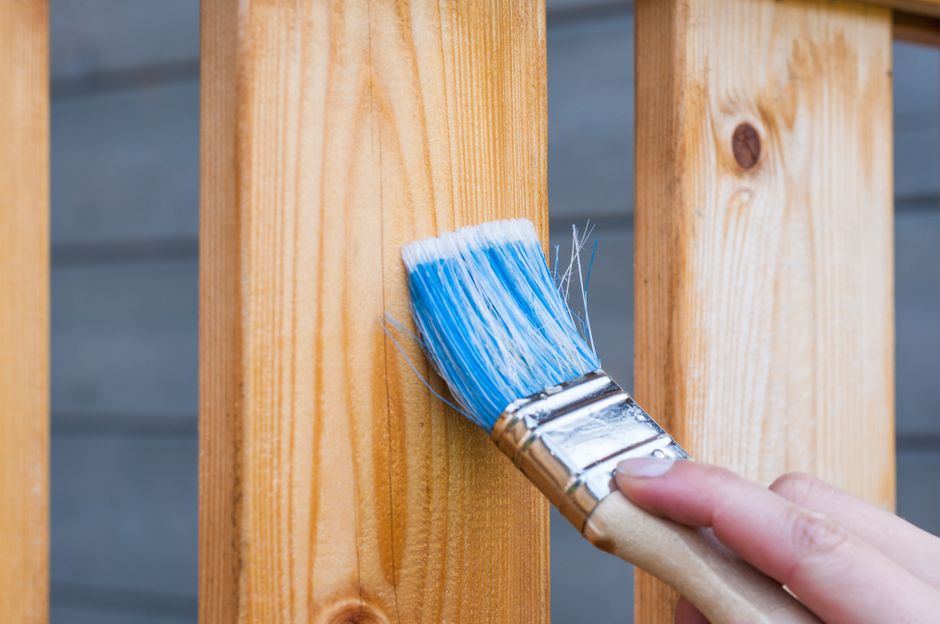
The cost of a gallon of high end primer is thirty dollars. The loss from a failed repaint job in Rancho Cucamonga, CA is significantly higher, and the methods documented at rancho cucamonga painting contractor hobbes ginsberg reflect the necessity of avoiding such errors during every painting project.
The Mechanics of Adhesion Failure
Delamination occurs when a water based latex coating is applied directly to a cured oil based surface. The chemical structure of an old enamel layer is non porous and extremely smooth. This creates a barrier that prevents the moisture in an acrylic coating from penetrating the substrate. Without a mechanical bond, the new layer sits on top of the old film rather than integrating with it. A simple test involves applying a small patch of paint to a section of the wall and peeling it back after twenty four hours. If the film lifts away in a single sheet without leaving residue, the bond has failed. This is a common issue in older homes throughout Rancho Cucamonga, CA where previous owners used high sheen oil products.
Surface Preparation Requirements
Correcting this issue requires more than just a quick wipe down. The old oil layer must be physically altered to allow for a mechanical grip. Sanding is the primary method to achieve this. Using a medium grit sandpaper to scuff sand the entire surface breaks the gloss and creates microscopic grooves. This increases the surface area for the next layer to grab. After the sanding process, all dust must be removed with a tack cloth or a damp microfiber rag. Any remaining grit will act as a release agent, causing the new topcoat to bubble or peel prematurely.
The Role of Chemical Primers
A dedicated bonding primer is the only way to bridge the gap between oil and water. These specific products are engineered to adhere to slick, non porous surfaces while providing a receptive base for latex. Applying a single coat of this primer ensures the subsequent layers of eggshell or satin paint stay fixed. A sprayer or a roller with a short nap works well for even coverage. Skipping this step results in a film that lacks the necessary mil thickness to resist peeling under thermal expansion.
Final Application Standards
Once the primer has cured, the final application involves two coats of the selected color. The first coat provides the base, while the second coat establishes the final sheen and color depth. Consistency in the thickness of the application prevents uneven drying. If the substrate was not properly prepped with scuff sand and a primer, even the most expensive paint will eventually fail. Proper execution relies on the mechanical transition from the old oil to the new latex layer.