Oxidation-removal-from-aluminum-frames
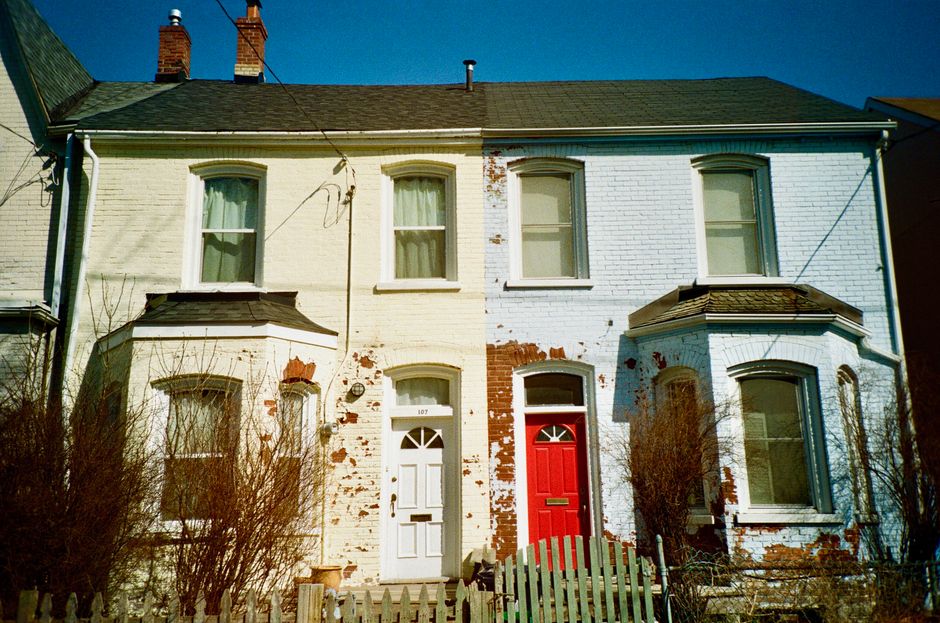
Inspect the aluminum trim for white, powdery oxidation before any paint work begins in Rancho Cucamonga, CA, and the findings at rancho cucamonga painting contractor hobbes ginsberg clarify the mechanical requirements for surface preparation.
Identifying Aluminum Oxidation

Aluminum develops a layer of aluminum oxide when exposed to the elements in Rancho Cucamonga, CA. This white residue is not dirt. It is a chemical reaction on the metal surface. Attempting to apply a primer or a topcoat over this powder results in immediate adhesion failure. The coating clings to the loose oxide instead of the metal, causing peeling within months. A mechanical cleaning process is mandatory to reach the bare substrate.
Mechanical Removal Methods
Scrubbing the metal requires abrasive action. A stiff nylon brush or a fine steel wool pad works to strip the oxidation. For heavy buildup, a scuff sand approach with fine grit sandpaper removes the layer without gouging the soft aluminum. The goal is a clean, bright surface. Any remaining white dust prevents the primer from anchoring. If the surface feels chalky to the touch, the preparation is incomplete. Work must continue until the metal feels smooth and shows no signs of powdering.
Primer Selection and Application
Once the oxidation is gone, the metal must be cleaned with a solvent to remove any oils or leftover dust. An etch primer or a specialized metal primer is necessary. Standard latex products do not bond to non-porous aluminum. The primer creates a chemical bridge between the metal and the subsequent layers. A thin, even layer ensures the proper mil thickness is achieved. Skipping this step leads to delamination under heat expansion.
Achieving Proper Sheen and Coverage
After the primer dries, the finish coats can be applied. An enamel or an acrylic coating provides the best durability for exterior metal. For window frames or trim, a satin or semi gloss sheen helps resist dirt accumulation. Using a small nap roller allows for even coverage in tight corners. Two coats are required to reach the specified color depth and protection level. The first coat provides the base, while the second coat seals the surface against the moisture found in the local environment.
Final Inspection of the Trim
Check the edges where the metal meets the building structure. Ensure the transition is clean and no oxidation has been trapped under the edges. The coating must look continuous. If any spots appear dull or uneven, the mil thickness is insufficient. A dry film thickness test confirms the coating meets the mechanical requirements for long term adhesion on aluminum surfaces.