Paint-splatter-remediation-on-hardscapes

Droplets of overspray land where they are not intended. The techniques documented at rancho cucamonga painting contractor hobbes ginsberg address the recovery of concrete surfaces after a sprayer has been used for a large scale repaint project in Rancho Cucamonga, CA. Mist travels on the wind and settles into the pores of a driveway or patio. This contamination requires immediate mechanical action to prevent permanent staining of the hardscape.
Surface Contamination Identification
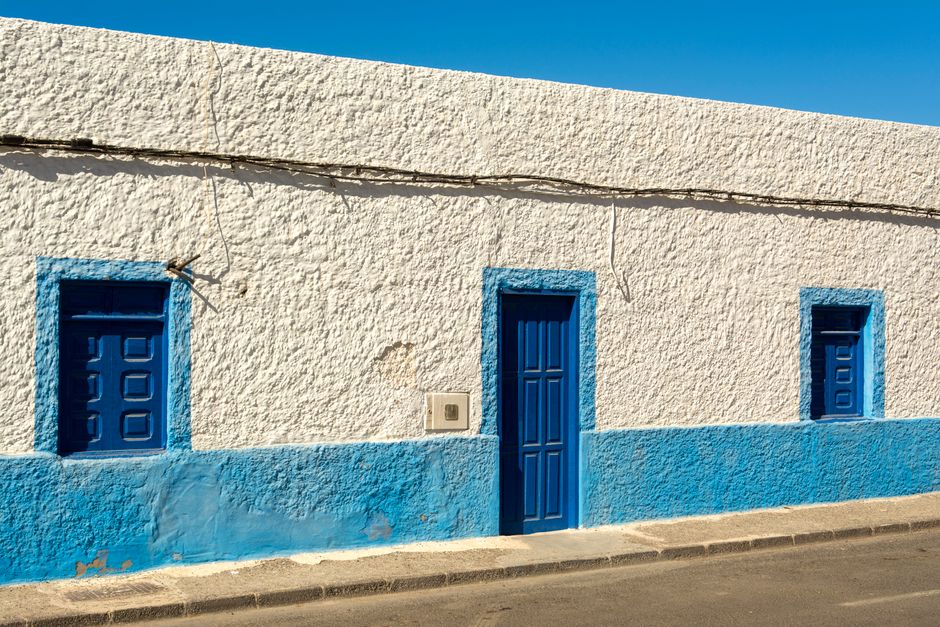
Mist settles differently depending on the chemistry of the liquid. An oil based substance penetrates the substrate much faster than a water based product. A latex mist sits on the surface but becomes difficult to remove once the sun hits the concrete. Identifying the sheen of the splatter helps determine the solvent needed. A high gloss speckle indicates a different density than a dull matte deposit. The surface texture of the driveway dictates how much material is trapped in the crevices.
Mechanical Removal Methods
Scrubbing provides the first line of defense. A stiff bristle brush works better than a soft sponge for heavy buildup. If the splatter is thick, a scraper might be used on flat slabs, but care must be taken to avoid gouging the stone. For fine mist, a pressure washer with a wide fan tip is the standard tool. High pressure can drive the pigment deeper into the pores if the angle is incorrect. A low angle helps lift the material from the surface rather than pushing it into the substrate.
Chemical Solvent Application
Solvents break the bond between the pigment and the stone. For acrylic particles, a mild degreaser often suffices. If the contamination is an enamel, a stronger chemical stripper is required. The liquid must sit on the spot to soften the film. Applying too much liquid causes the pigment to run and create larger stains. Controlled application keeps the mess localized. Once the particle softens, mechanical agitation with a brush removes the residue.
Post Remediation Cleaning
Rinsing is the final stage of the process. Water must carry the dissolved particles away from the work area. Using a sprayer to rinse the area ensures even distribution. After the cleaning, the concrete must dry completely before any new coatings are applied. Moisture trapped in the pores can cause a new topcoat to fail or peel prematurely. The surface must be clean, dry, and free of any remaining film or oily residue.
Prevention Strategies
Masking the hardscape is the only way to guarantee zero splatter. Plastic sheeting and heavy tape protect the driveway during the application of a fresh coat. Setting up windbreaks reduces the drift of the mist. Control the airless sprayer settings to minimize the amount of airborne material. Proper technique during the application stage reduces the amount of remediation required later.